
of symptomatic arrhythmias start after 48 h1
Missed by a day or two on a recorderPost-discharge heart monitoring
Care that follows the heart home.
Thirty days of heart monitoring after discharge, with a wire-free patch and a ward board the care team actually uses.
Innovation with every heartbeat
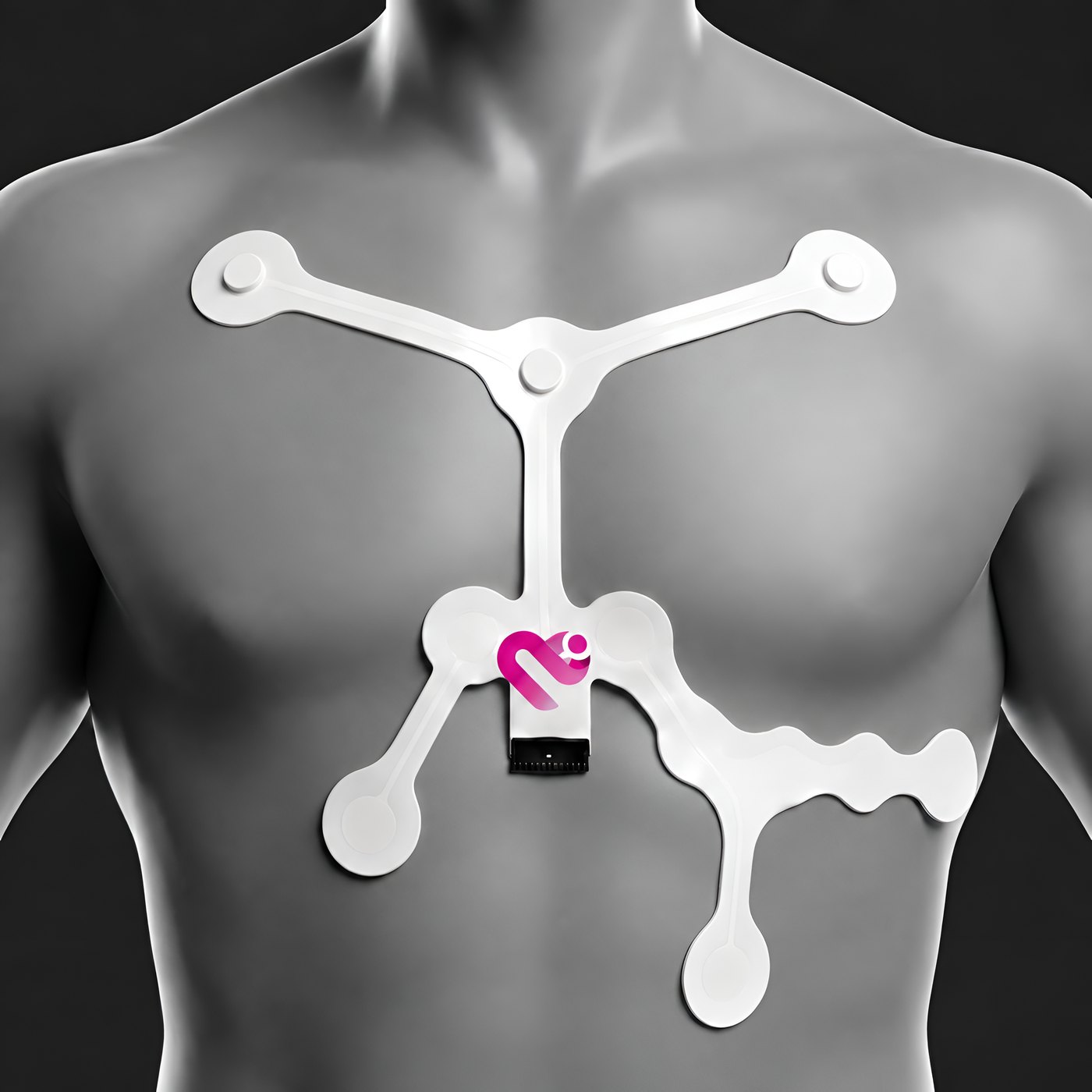
30-day heart monitoring after discharge
In development · Abu Dhabi
The problem
The riskiest weeks start at the door.
Once a cardiac patient goes home, the hospital mostly loses sight of them, right when trouble is most likely.
Gulf heart-failure patients die within a year of admission2
6.3% in hospital, 20% by 12 monthsare readmitted within a year2
Same Gulf registry, 47 hospitals Nabdh.AI patch
Thirty days. No wires.
A soft patch, a snap-in module and a skin sticker that changes each week.
30days of monitoring
1skin sticker a week
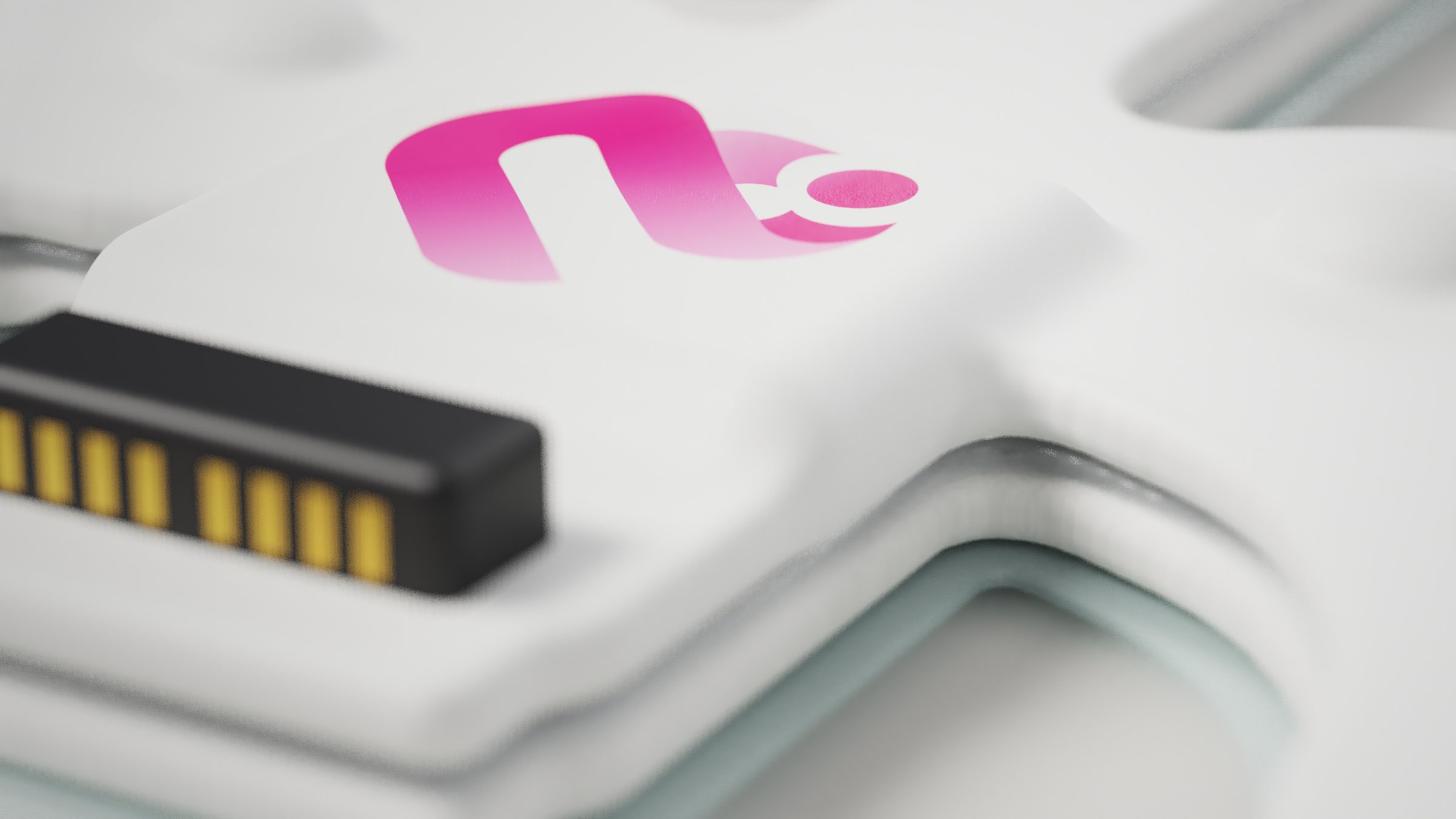
Studio renderDesign
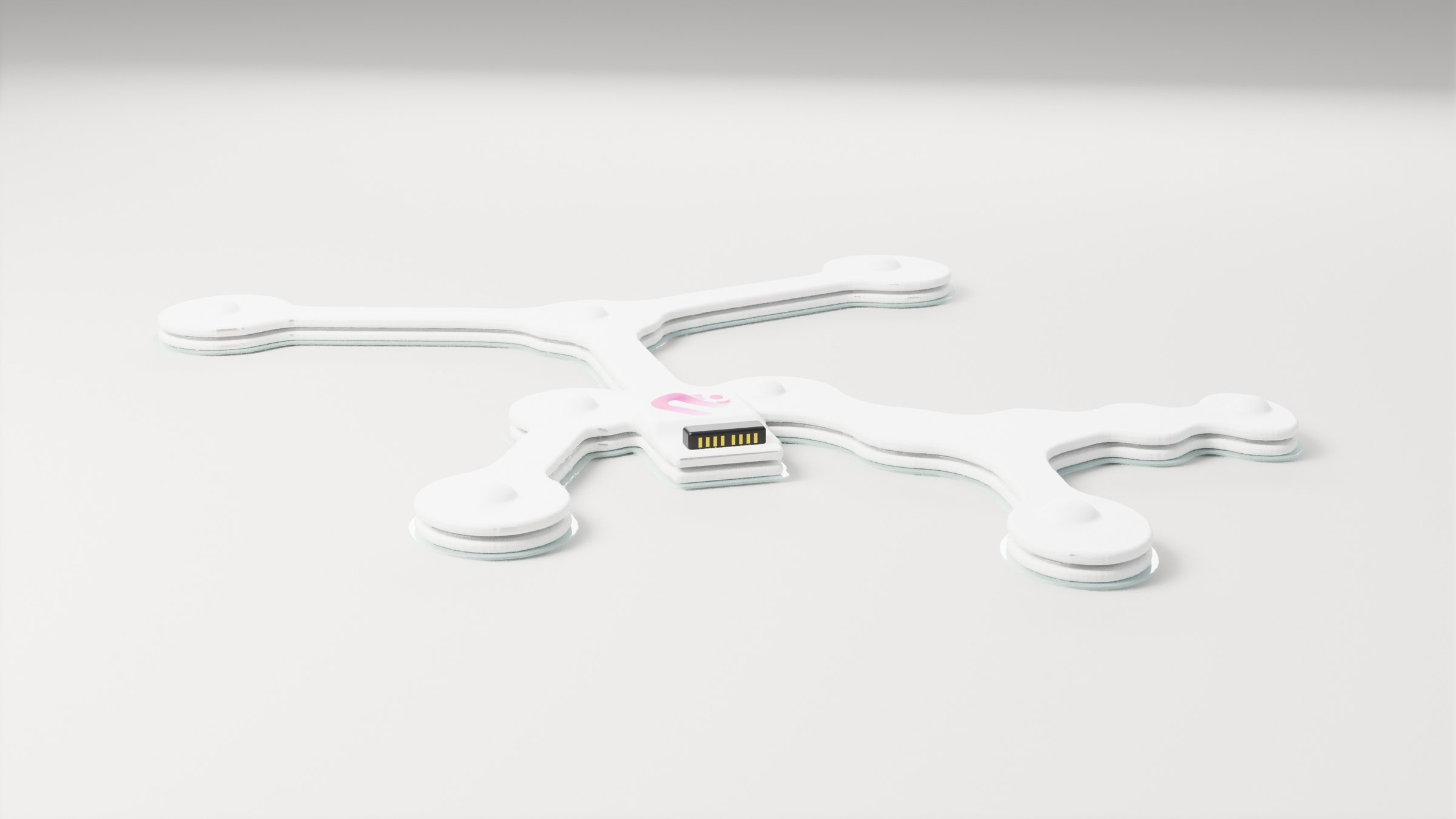
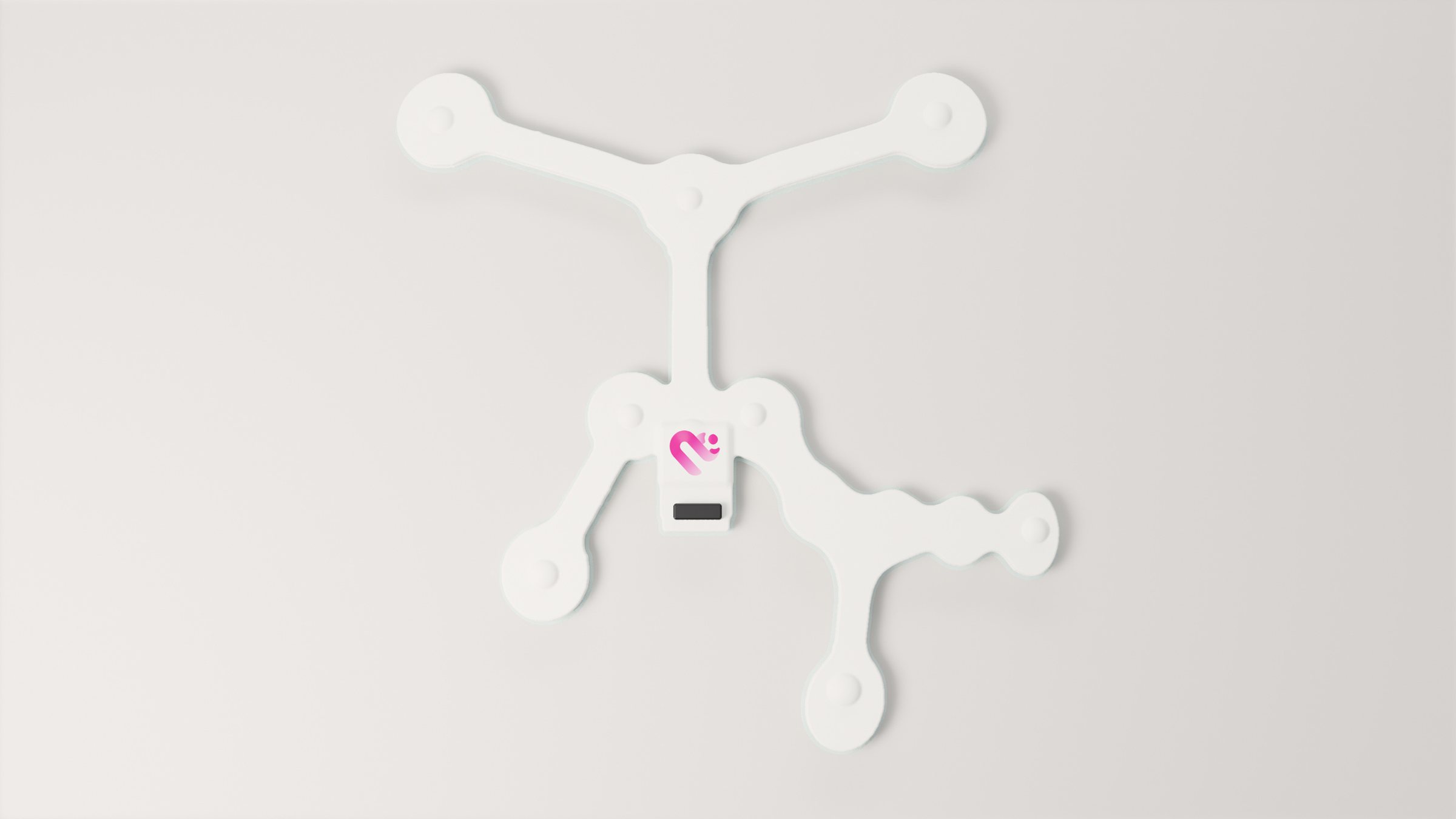
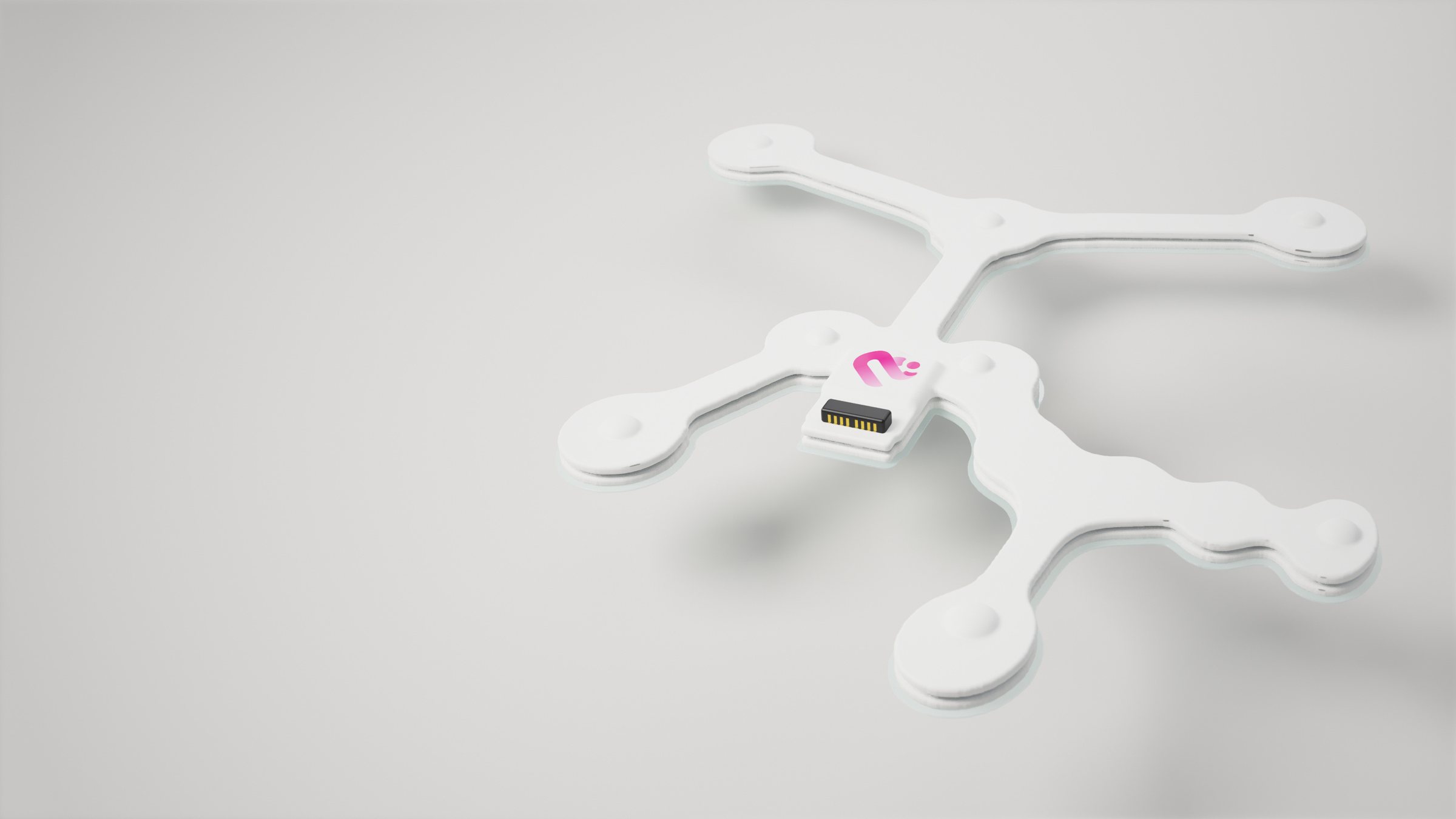
Designed from every angle.
Shaped to sit flat under a shirt for thirty days. Only the sticker touches skin.
The service
A patch, a ward board and an app.
The care team sees every discharged patient on one board, ranked by who needs a look first. Patients see their day and their next sticker change.
Ward boardCardiology · discharged patients
Patient ADay 12Live
Patient BDay 4Review
Patient CDay 21Gap · 3 h
Patient DDay 27Live
Patient EDay 2Live
Illustration with made-up patients. No recent data shows as a gap, never as stable.
Good morning
12of 30 days
Patch connectedSending to your care team
Sticker changeThursday
Your care teamCardiology ward
How it works
From the ward to the living room.
Applied before discharge
A nurse places the patch on the ward and pairs it in a couple of minutes.
Worn for thirty days
No wires and no belt recorder. A fresh skin sticker once a week.
One board for the team
Every discharged patient in one place, ranked by who needs attention.
Clinicians decide
Flags arrive with the evidence attached. The decision stays with the team.
Gaps are shown
If data stops arriving, the board says so. Quiet never looks like stable.
Data stays in the UAE
Built so patient data is hosted and processed in the country.
Every result can be traced
Each flag can be followed back to the recording behind it.
Work with us
Bring Nabdh.AI to your ward.
We are preparing our first hospital pilot in the UAE. If your team discharges cardiac patients, we would like to hear from you.